Our feet play an important role in how we move, stand and balance. When foot pain, weakness, instability or changes in foot alignment affect the way we move, a foot orthosis may help improve comfort, support function and make everyday activities easier. At Ottobock Care Ireland, our orthotists provide individually prescribed foot orthotic solutions following a comprehensive clinical assessment. We consider the person as a whole, rather than simply treating the foot in isolation.
Foot Orthotics.
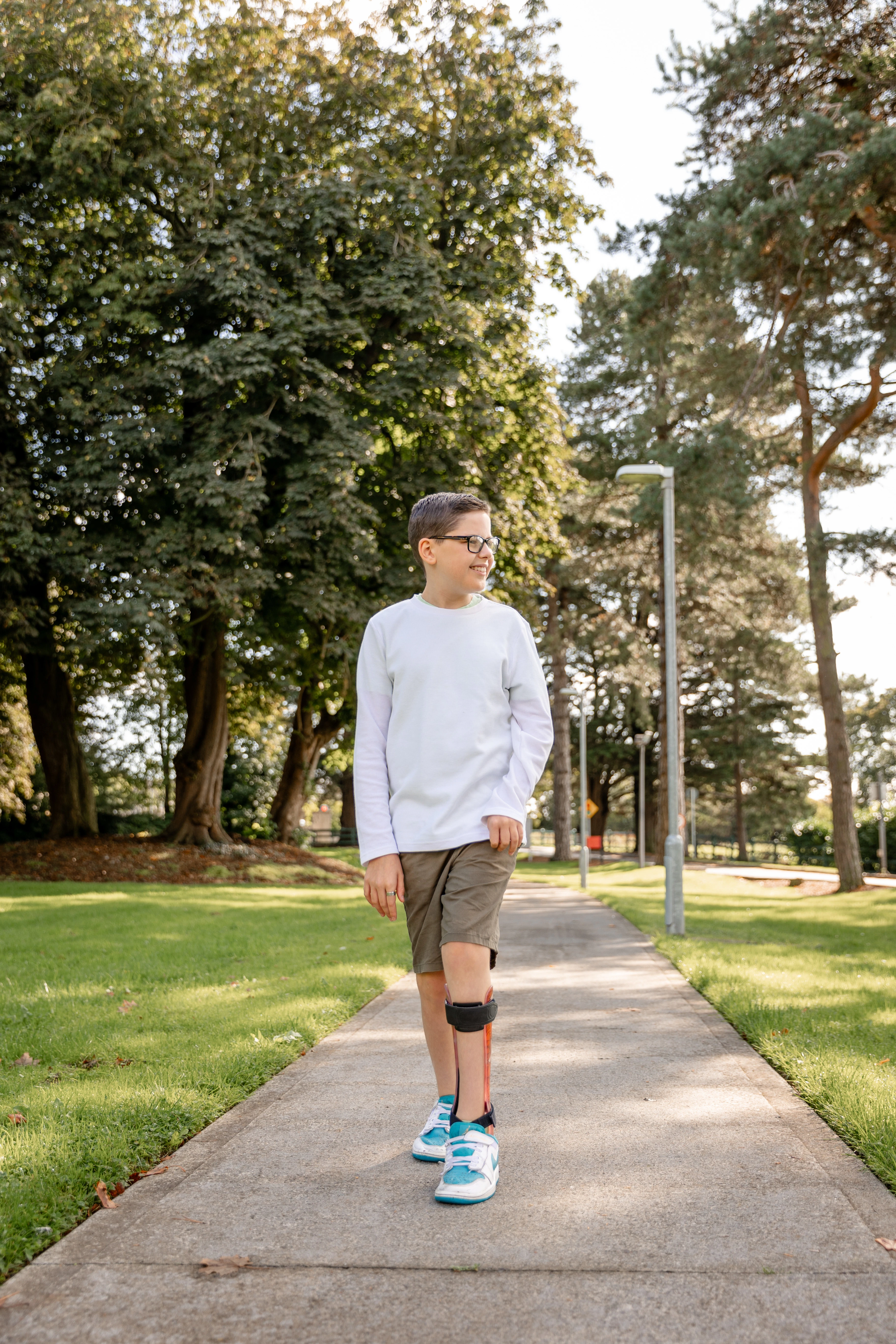
Who can benefit from foot orthotics?
Foot orthotics may be recommended for people with a wide range of neurological, musculoskeletal and orthopaedic conditions, as well as those experiencing acute or ongoing foot pain.
We commonly support people with conditions including:
Diabetes and high-risk feet
Cerebral Palsy and Spina Bifida
Idiopathic toe walking
Leg length discrepancy
Clubfoot (CTEV)
Down Syndrome and hypermobility
Osteoarthritis and rheumatoid arthritis
Plantar fasciitis
Morton's neuroma
Heel pain and heel spurs
Hallux valgus (bunions)
Tibialis posterior tendon dysfunction
Freiberg's disease
Sesamoiditis
Ligament injuries
Sports and overuse injuries
Other musculoskeletal conditions affecting the foot and lower limb
A foot orthosis isn't suitable for everyone, and the most appropriate solution will depend on the individual's symptoms, clinical needs and goals.

How can foot orthotics help?
Your assessment begins with a conversation about your symptoms, concerns, lifestyle and goals. This helps your orthotist understand what you are experiencing and identify any underlying or contributing factors.
A comprehensive assessment may include:
A detailed foot and lower-limb examination
Range-of-motion assessment
Muscle strength testing
Visual assessment of the feet and lower limbs
Assessment of foot alignment and function
Gait analysis to assess how you move and walk
If a foot orthosis is appropriate, your orthotist will discuss the most suitable design and explain the options available to you.
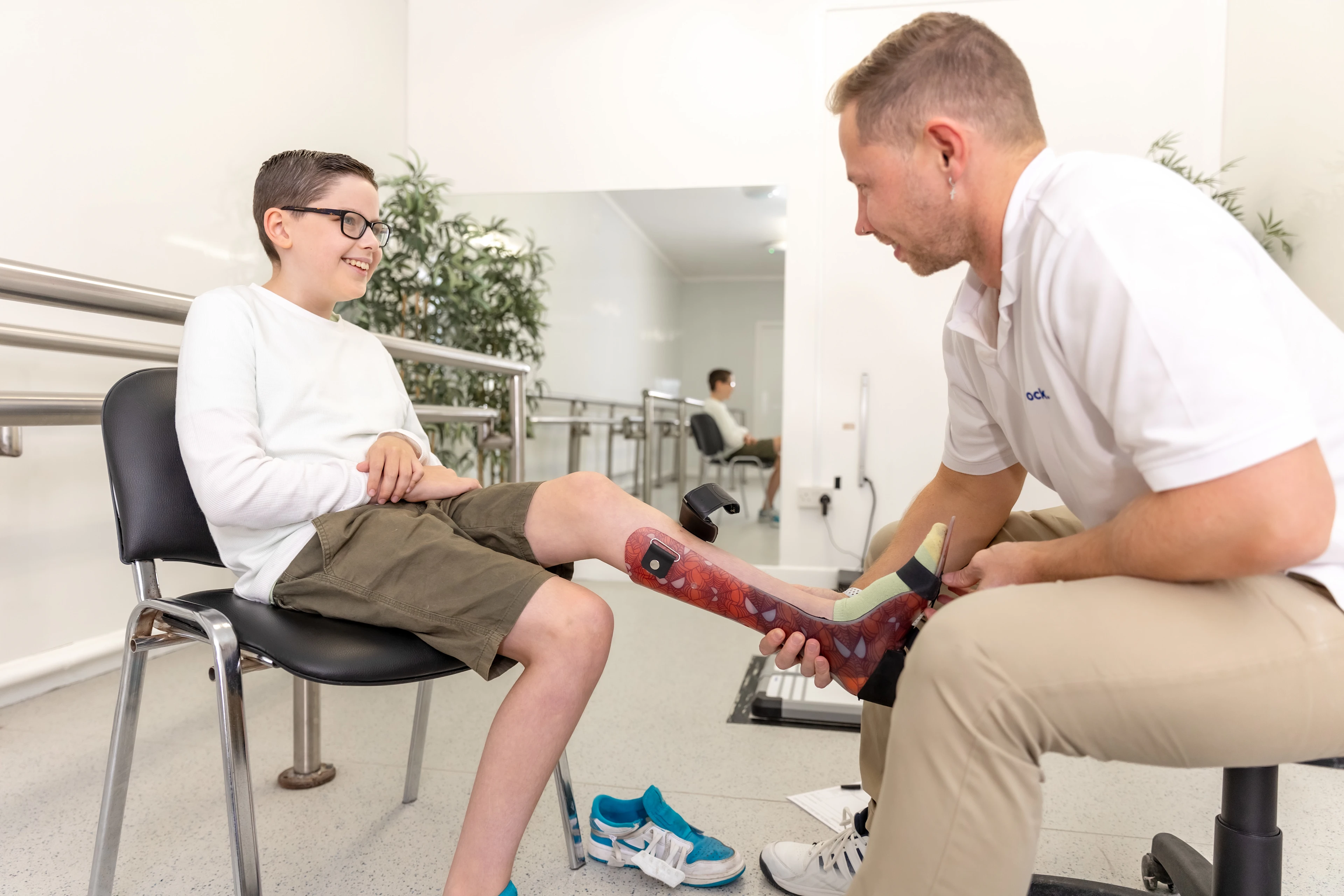
We use a range of methods to capture the shape and position of the foot, including plaster casting, foam impressions and digital foot scanning. Your orthotist will recommend the most appropriate method for your individual needs.
Digital foot scanning.
Where appropriate, we can digitally scan the feet or scan a foam impression of the foot. This provides a digital record that can be securely stored and accessed by our clinical team when required. The digital scan is then used to create a customised device designed around the individual's foot shape and clinical requirements. Digital scanning can provide an accurate and convenient way of capturing foot shape while allowing the information to be securely retained for future reference.
Custom solutions based on your needs.
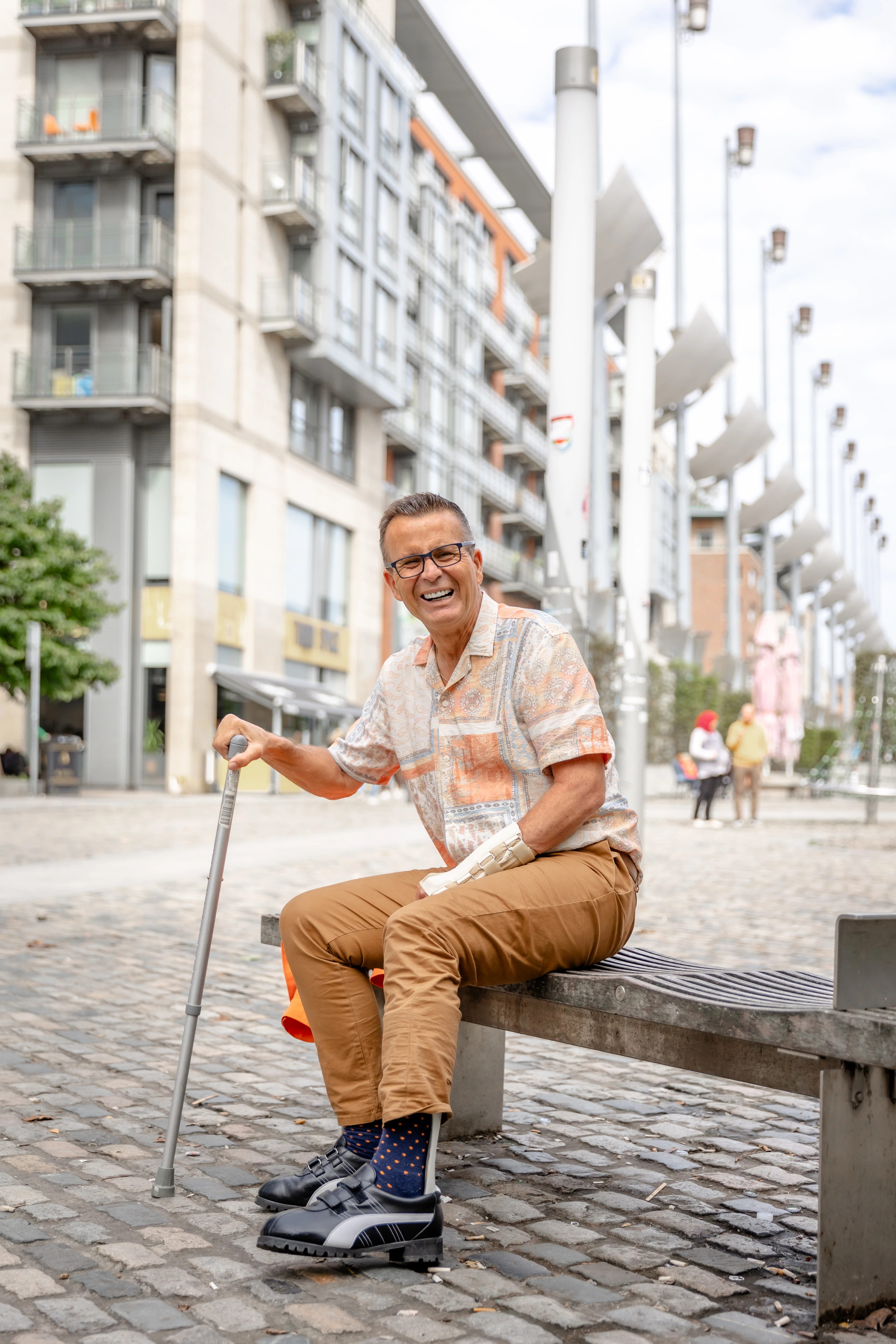
At Ottobock Care Ireland, we use evidence-based clinical assessment and orthotic design to develop solutions tailored to each individual.
We provide a range of options, including:
Custom-made foot orthoses
Prefabricated foot orthoses
Diabetic and high-risk foot orthoses
Custom partial-foot and toe fillers
The aim is to find the right balance of support, comfort, function and practicality for each person.
What happens after your assessment?
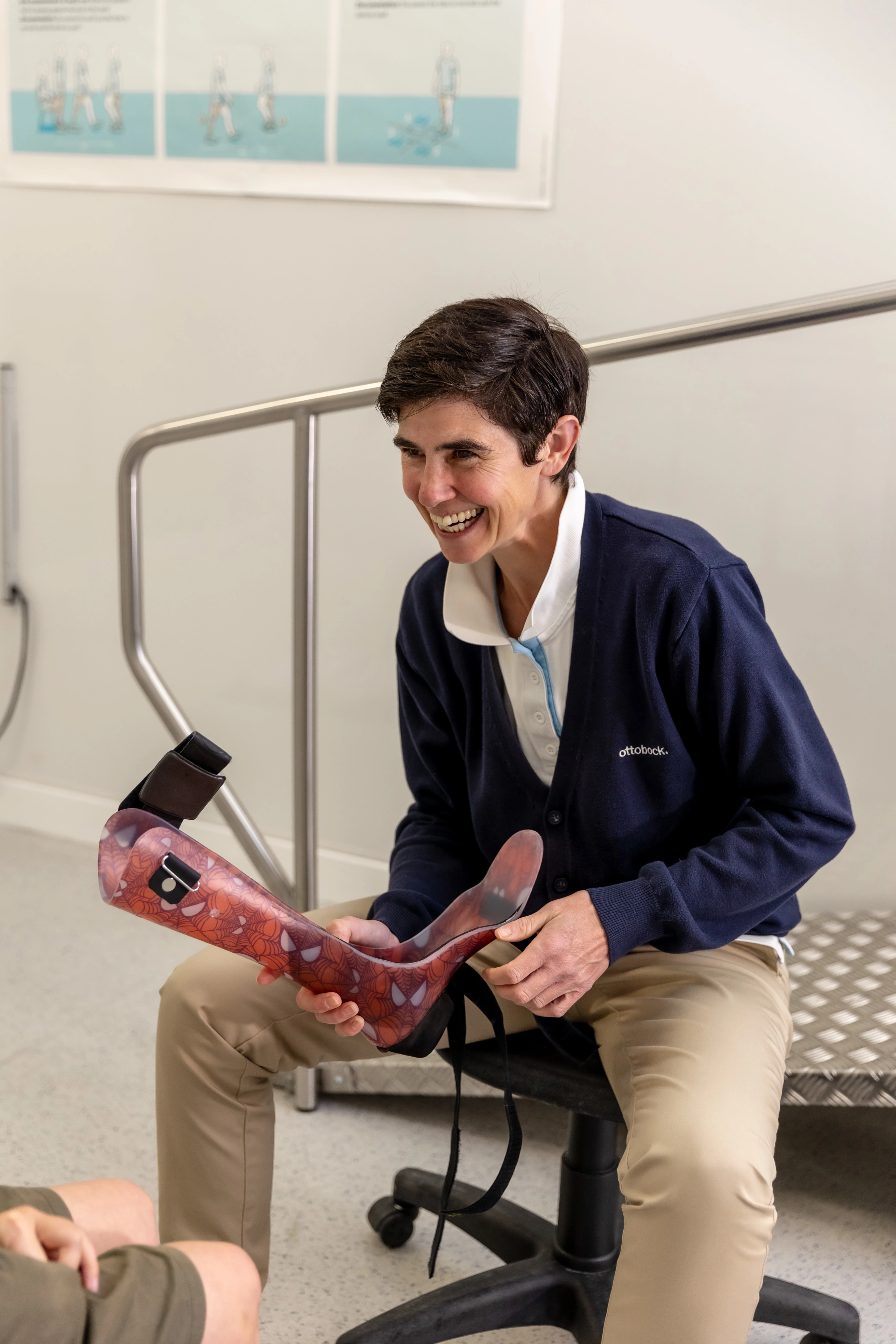
Following your initial assessment, your orthotist will discuss the most appropriate solution with you, as well as the available payment and funding options.
Depending on your circumstances, treatment may be privately funded, or funding may be available through the HSE for eligible patients, including those with a medical card or Long-Term Illness Scheme eligibility.
Where HSE funding is applicable, the relevant funding process will be discussed with you and approval obtained before the device is manufactured. Once your funding has been approved, and your device has been manufactured, you will be contacted to arrange a delivery and fitting appointment.
At your delivery appointment, your orthotist will check the fit and function of the device and make any necessary adjustments. Your clinician will also explain how to gradually introduce and wear your new orthosis, as there may be an adjustment period while you become accustomed to it. A follow-up review is generally recommended approximately six weeks after delivery. If you experience any problems or have concerns before your scheduled review, you are welcome to contact the clinic.
What should I bring to my appointment?
To help us understand your everyday needs, please bring:
The footwear you wear most often
Work or exercise footwear, where relevant
Any existing orthoses or insoles
For children, school shoes and footwear worn at weekends
Any relevant referral or clinical information, where required
Bringing the footwear you use regularly allows your orthotist to consider how your foot orthotics will work with your everyday shoes.

Working as part of your wider care team.
Foot orthotic care often works best as part of a wider treatment plan. We receive referrals from physiotherapists, occupational therapists, GPs, consultants, podiatrists, tissue viability nurses and other healthcare professionals.
Where appropriate, our orthotists work alongside these professionals to understand the wider clinical picture and ensure the orthotic intervention supports the overall treatment plan.
Specialist care, closer to home.
Ottobock Care Ireland provides foot orthotic services through a network of clinics across Ireland. Our nationwide clinic network allows patients to access specialist orthotic assessment and ongoing care closer to home.
If you are experiencing foot pain, changes in your walking pattern, or concerns about foot function, speak to your healthcare professional about whether a foot orthotic assessment may be appropriate for you.
Contact Us.
If you have any questions or would like to speak to our team, we’re here to help.